.avif)

Sash windows are a beautiful and functional part of many period properties, especially in the UK. While they add charm and character to any building, they can develop a range of issues over time due to age, wear, or improper maintenance. In this guide, we will cover the most common problems that can occur with sash windows, detailing their causes, signs, and solutions.
Sash cords form an important part of the balancing system that allows a sash window to open and close smoothly. Each cord runs over a pulley at the top of the frame and connects the moving sash to a counterweight hidden inside the window box.
Over time, the cords can fray, stretch or snap, leaving the window difficult to open or unable to stay in position. We replace worn or broken sash cords, inspect the pulleys and adjust the weights so that the window moves freely and remains properly balanced.
Sash cords are typically made from materials like cotton or hemp, which degrade over time, causing them to fray, snap, or lose their strength. This wear can occur from years of regular use or exposure to moisture in the air.
The sash window won’t stay open, indicating a broken or disconnected cord.
Difficulty in opening or closing the window.
Visible fraying or snapped cords within the frame.
Replacing the cords: Access the hidden sash box to thread new, durable synthetic cords through the pulleys, restoring the window’s functionality.
Rebalancing the weights: While replacing cords, check that the counterweights are intact and correctly balanced for smooth operation.

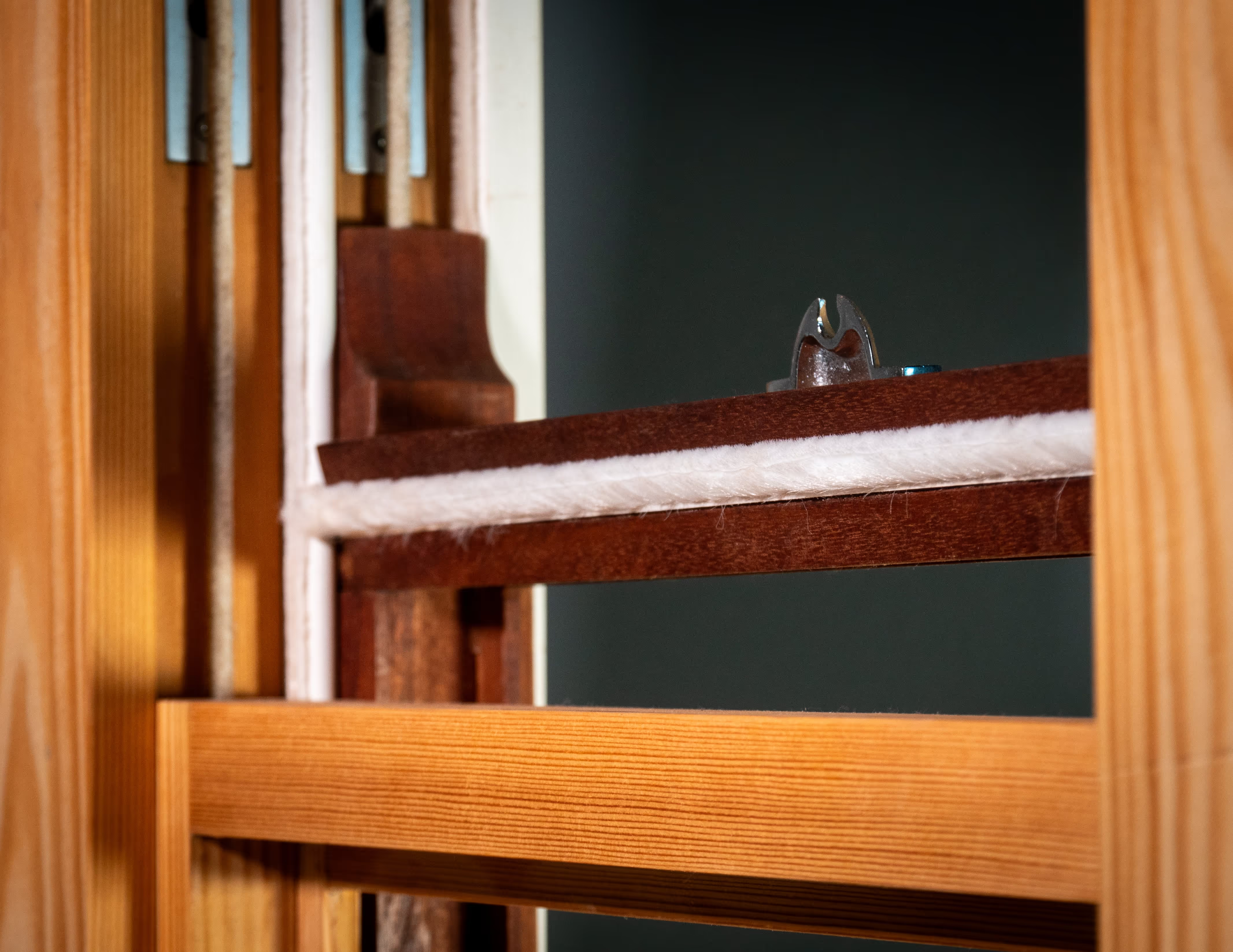
Draught proofing involves sealing the gaps between the moving parts of the sash window to prevent cold air from entering. It uses discreet seals around the moving parts of the window to reduce unwanted airflow without affecting its operation or traditional appearance. This can make the room feel warmer, reduce rattling and improve overall comfort.
Draughts are common in older sash windows where gaps between the moving parts widen over time. Changes in humidity can also cause the wood to shrink or expand, making these gaps larger and allowing cold air to seep in.
Cold air entering through gaps in the window frame.
Higher heating bills due to loss of indoor warmth.
Windows that rattle or move loosely within their frames.
Draught-proofing: Install discreet weatherstrips made of silicone or brush strips to seal the gaps and improve insulation.
Secondary glazing: Add an additional internal pane to improve insulation without replacing the original window.
Double glazing: Consider upgrading to slimline double glazing for better insulation while retaining the original sash window look.
The frame and sill support the glass and form the main structure of a traditional sash window. The sill sits at the bottom and is shaped to direct rainwater away from the window, while the surrounding frame holds the sashes securely in place.
If paintwork cracks or water becomes trapped, moisture can penetrate the timber and eventually cause decay. Common signs include soft wood, flaking paint, dark patches and crumbling sections around the sill or lower frame. When identified early, localised decay can often be repaired without replacing the entire window.
Wood is prone to rot, especially in windows that are exposed to the elements without proper maintenance. Moisture from rain and condensation can penetrate the wood, leading to decay if the protective paint or varnish wears away.
Soft, spongy spots on the window frame or sill.
Discoloured or crumbling wood, particularly around joints or edges.
Black mould or algae growth around the window, indicating excess moisture.
Repair minor rot: Cut out the decayed wood, apply a wood hardener, and fill gaps with an epoxy wood filler before sanding and repainting.
Replace damaged sections: Severely rotted sections of the frame or sill may need replacing. Use durable woods like Accoya or Sapele for longevity.
Regular maintenance: Keep your windows properly sealed with paint or varnish and regularly inspect for early signs of rot.


The sash holds the glass and moves vertically within the window frame. If it becomes loose in its tracks, wind or nearby movement can cause it to shake and rattle. The noise can be frustrating and may also indicate gaps that are allowing draughts into the room.
Rattling usually develops through everyday wear. Changes in temperature and humidity can cause timber to expand or contract, while worn beads or poor alignment may leave too much space around the moving sash. In many cases, careful adjustment and discreet draught seals can secure the window and reduce both noise and air leakage.
Windows rattle or vibrate in the wind.
Loose movement of the sash within the frame.
Draughts coming through gaps around the sash.
Draught-proofing strips: Install rubber or brush strips along the edges of the sash to create a snug fit and stop rattling.
Tighten the sash: Adjust or realign the sash to sit properly within the frame, ensuring a tighter fit.
Condensation forms when warm, moisture-filled air inside the home meets the colder surface of the glass. It is particularly common on traditional single-glazed sash windows during colder weather.
Occasional condensation is not always a sign that the window is faulty, but persistent moisture can damage paintwork, putty and surrounding timber. Improving ventilation, controlling indoor humidity and keeping the property evenly heated can help reduce the problem. Draught proofing may improve comfort, but adequate ventilation must still be maintained.
Single glazed windows, especially in poorly ventilated rooms, are prone to condensation. The temperature difference between the outside and inside of the window causes moisture in the air to condense on the cooler surface of the glass.
Water droplets on the interior surface of the glass or foggy / cloudy glass.
Mould or mildew growth around the window frame due to excess moisture.
Persistent condensation, particularly in colder months.
Improve ventilation: Ensure adequate airflow in the room by using extractor fans or opening windows a couple of times a week for an hour.
Secondary glazing: Install a second layer of glazing to create an insulating air gap, reducing condensation.
Upgrade to double glazing: Double glazing helps maintain a warmer internal pane, reducing the likelihood of condensation.


Sash windows move vertically within tracks or channels built into the frame. These tracks allow the sashes to slide up and down smoothly. Over time, these tracks can become clogged with dirt, painted shut, or swollen due to moisture, causing the window to jam.
Sash windows can get stuck due to a build up of grime, old layers of paint sealing the window shut, or wood swelling in response to humidity. Lack of regular maintenance can also lead to sticking.
The sash window won’t open or close easily.
The window feels jammed in the track.
Sticking or difficulty moving the sash.
Cut through paint seals: Use a utility knife to cut through any layers of paint sealing the sash shut. Be careful not to damage the wood.
Lubricate the tracks: Clean and apply a light lubricant like silicone spray or beeswax to help the sash move more freely.
Sand down swollen wood: If the wood has swollen, sand down the edges slightly to allow the sash to move smoothly again.
Pulleys and weights are key components of the sash window’s counterbalance system. The pulleys are small wheels at the top of the window frame, and the weights, hidden within the sash box, balance the weight of the window, allowing it to move up and down easily.
Pulleys can wear out over time, or the cords may fray, causing the weights to become misaligned or stuck. Worn pulleys make it difficult for the sash to move smoothly, while unbalanced weights can cause the window to close too quickly or not stay open.
The window is difficult to open or won’t stay open.
Grinding or squeaking noises when moving the sash.
Visible damage to the pulleys.
Improve ventilation: Ensure adequate airflow in the room by using extractor fans or opening windows a couple of times a week for an hour.
Secondary glazing: Install a second layer of glazing to create an insulating air gap, reducing condensation.
Upgrade to double glazing: Double glazing helps maintain a warmer internal pane, reducing the likelihood of condensation.
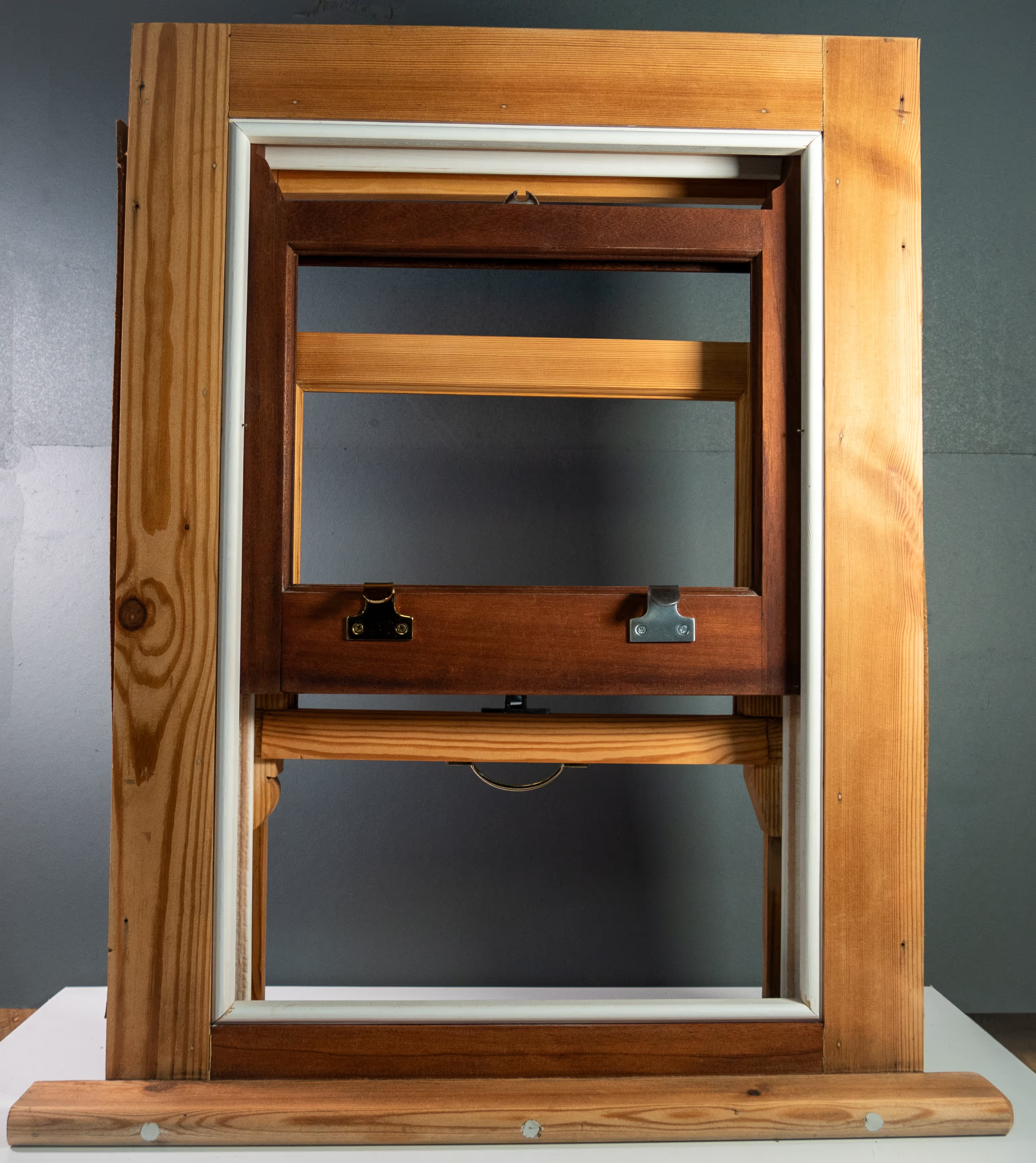

The sash is the movable part of the window that holds the glass panes. Paint protects the wooden sash from the elements, but over time, exposure to moisture, sunlight, and general wear can cause the paint to peel or crack.
Peeling or cracking paint is often due to prolonged exposure to moisture or sunlight, which weakens the paint's adhesive properties. Old paint layers can also crack over time as the wood expands and contracts with temperature and humidity changes.
Visible peeling or flaking paint.
Bare wood exposed where the paint has worn away.
Cracks or bubbles in the paint surface.
Repaint: Sand down the peeling paint, apply a fresh coat of primer and undercoat, and finish with a weather-resistant exterior paint.
Regular maintenance: Ensure windows are repainted or varnished regularly to maintain protection from the elements.
Sash-window glass can become cracked, chipped or loose following an impact, movement within the timber frame or sudden changes in temperature. Older panes may also weaken over time, particularly if the surrounding putty has failed.
Damaged glass can allow draughts and moisture into the window, reduce thermal performance and create a safety risk. Cracked panes should be assessed promptly and replaced with glass suited to the age, style and location of the property.
Cracks or chips in the glass can occur due to accidental impact, stress from temperature fluctuations, or over time as the window frame expands and contracts.
Visible cracks or chips in the glass pane.
Draughts coming through the damaged areas.
Condensation inside cracks, which weakens the glass further.
Replace the glass: Cracked panes should be replaced immediately as they are a hazard and to prevent further damage and improve thermal insulation.
Upgrade to tougher glass: Consider using toughened or laminated glass for increased durability and safety.

A Final NoteSash windows are carefully constructed features that need occasional maintenance to keep them working properly. Problems such as broken cords, draughts, rattling sashes, decayed timber and damaged glazing are often repairable, particularly when they are identified early. Timely repairs can extend the life of the window and help preserve the character of your home.
At Traditional Sash Windows and Carpentry, we not only specialise in the repair and restoration of sash windows, but we also offer a free aftercare service. We will return one year later to fix any issues that may have appeared, ensuring that your windows remain in excellent condition. For expert advice or repairs, always consult a professional who specializes in sash windows to preserve their heritage and performance.
Last updated 2025-01-28